

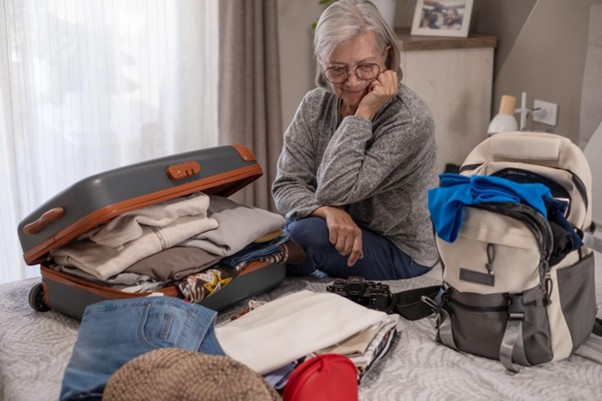
This article offers a practical and reassuring guide to packing for a move into a retirement community, helping older adults and families decide what to bring, what to leave behind, and how to create a comfortable, familiar new home.
What you’ll learn:
Moving into a retirement community is an exciting step, but it can also feel overwhelming. After years of living in one place, deciding what to bring and what to leave behind is often one of the most emotional parts of the transition. Many older adults worry about downsizing too much, while others fear bringing items they won’t actually need.
The key is to focus on comfort, familiarity and practicality. A retirement community move is not about giving things up, but about creating a living space that feels like home while supporting a simpler, more enjoyable lifestyle.
The most important items to pack are those that provide comfort and emotional connection. Familiar objects help ease the transition and make a new space feel personal from the very first day.
Photos, keepsakes, and decorative pieces that hold meaning should be prioritized. These items tell a story and help create continuity between past and present. Favourite throw blankets, pillows or small décor items can instantly add warmth and personality to a new suite.
Rather than trying to recreate an entire home, focus on a few meaningful pieces that make the space feel welcoming and familiar.
When packing clothing, think about daily routines rather than special occasions. Comfortable, easy-to-wear outfits that suit everyday life are far more useful than items saved “just in case”.
Consider bringing:
It’s also helpful to pack clothing suited for exercise programs, group activities, or social gatherings. Many retirement communities offer a full calendar of events and having a variety of casual yet presentable outfits makes participation easier and more enjoyable.
Daily care items are an important part of maintaining routine and independence. Pack toiletries, grooming tools and personal care products you already use and trust. Familiar brands and products can provide reassurance and comfort.
Health-related items to bring may include:
It’s also helpful to bring a small supply of over-the-counter items commonly used, such as skincare products or basic wellness items, to avoid unnecessary trips right after moving in.
Many retirement community suites are thoughtfully designed to maximize comfort and safety. This means not all furniture from a previous home will be needed.
Before packing large pieces, confirm what is already provided and measure the new space. Bringing a favourite chair, familiar bed, or small table can help personalize the suite, but overcrowding the space can reduce comfort and mobility.
Choosing fewer, well-loved pieces allows the suite to remain open, functional and easy to navigate. The goal is a comfortable living area, not a storage space.
Technology can play an important role in staying connected and entertained. Items such as a laptop, radio, phone, tablet, or television may be useful, depending on personal preferences.
Pack chargers, extension cords if permitted and any assistive devices used for daily tasks. Simple things like calendars, clocks, or lamps can also help maintain routine and orientation in a new environment.
It’s worth remembering that many retirement communities provide support with technology setup, making it easier to stay connected without stress.
Downsizing doesn’t mean losing important possessions, but some items simply won’t be needed in a retirement community setting.
Consider leaving behind:
Retirement communities typically provide housekeeping, maintenance services, and meals, reducing the need for items used to manage a full household. Letting go of these can lighten both physical and mental load.
While most documents are not needed daily, it’s important to bring essential paperwork in an organized way. This may include contact lists, insurance information, and medical records.
Keep these documents in a clearly labelled folder or small file box that’s easy to access when needed. Having paperwork organized ahead of time can reduce stress during the move-in process.
One of the benefits of retirement community living is the opportunity to simplify and focus on what truly matters. Leaving behind excess belongings can create space – both physically and emotionally – for new routines, friendships and activities.
It’s also helpful to remember that all things moved in doesn’t have to be final. Families can store or rotate items later, once they better understand what works best in the new space.
Whenever possible, involve your loved one in packing decisions. This helps preserve autonomy and ensures the new space reflects their preferences and personality.

Encourage open conversations about what matters most to them. Packing together can also be an opportunity to share memories and reflect on meaningful moments associated with certain items.
At Seasons Retirement Communities, move-in is designed to feel welcoming and manageable. Suites are thoughtfully designed, and team members are available to help residents settle in comfortably. With services like meals, housekeeping and activities already in place, residents can focus on enjoying their new home rather than managing logistics.
This supportive environment allows families to approach packing with confidence, knowing that many everyday needs are already taken care of.
Packing for a retirement community move is less about what fits into boxes and more about what supports familiarity, ease, and comfort. By focusing on meaningful items, practical clothing and everyday essentials, families can help create a space that truly feels like home.
Letting go of what’s no longer needed makes room for connection, enjoyment and peace of mind – setting the stage for a positive and fulfilling new chapter.
Start with the items that create comfort and emotional connection. The article emphasizes prioritizing familiar objects like photos, keepsakes, and meaningful decorative pieces because they help the new space feel personal right away. Small comfort items such as a favourite throw blanket, pillows, or simple décor can add warmth quickly without trying to recreate an entire home.
The most useful clothing is what supports everyday routine and comfort, not “just in case” outfits. The article recommends focusing on easy-to-wear clothes you can move in comfortably, seasonal outerwear that fits the local climate, and safe, comfortable footwear for walking and outings. It also mentions bringing a mix of casual but presentable outfits for activities and social gatherings, since many retirement communities offer a full calendar of events.
The article suggests packing the personal care products you already use and trust, because familiar brands can feel reassuring during a transition. It also highlights bringing key health-related essentials like glasses, hearing aids, mobility supports, and current medications and prescriptions. If requested, health records or care information should be included as well, and a small supply of commonly used over-the-counter wellness items can help avoid extra errands right after move-in.
Less is often more, according to the article. Many suites are designed to maximize comfort and safety, so not every piece from a previous home will be needed. It recommends confirming what is already provided and measuring the new space before moving large items, then choosing only a few well-loved pieces like a favourite chair, a familiar bed, or a small table. Keeping the space open and easy to navigate is presented as more important than trying to fit everything in.
The article notes that many everyday household needs are reduced because retirement communities often provide meals, housekeeping, and maintenance. Because of that, items like excess furniture that won’t fit well, things that create safety risks such as step stools or loose rugs, large collections that need upkeep, large kitchen appliances or extensive cookware, and power tools or heavy equipment are often better left behind. The goal is to reduce physical and mental load, not to lose what matters.
The article encourages involving your loved one in packing decisions whenever possible, because it helps preserve autonomy and ensures the new space reflects their personality. It also suggests open conversations about what matters most, and frames packing together as a chance to share memories connected to meaningful items. It reassures families that move-in choices don’t have to be final, since belongings can be stored or rotated later once they see what works best in the new suite.

