

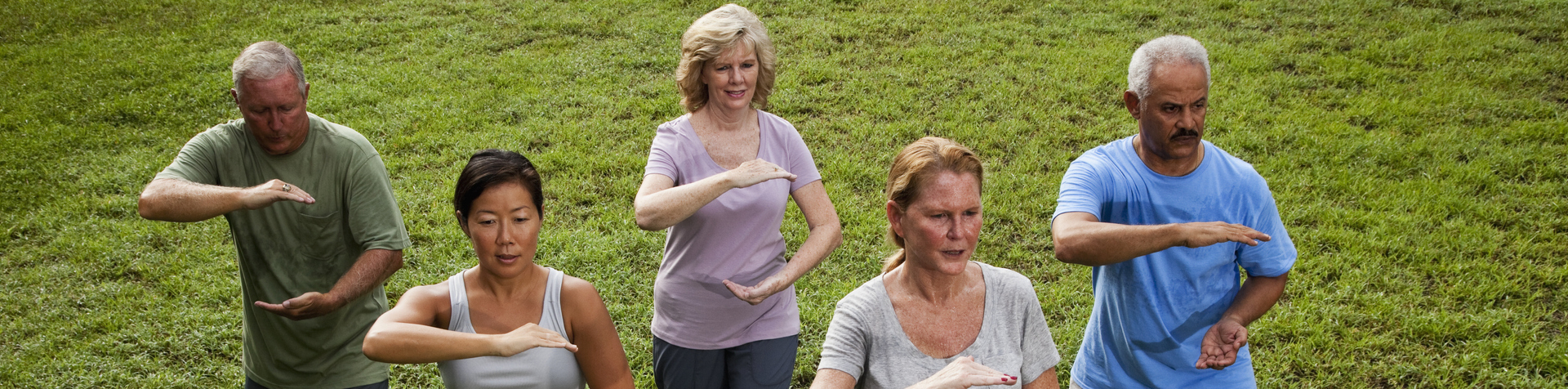
Sometimes seniors choose to try out new hobbies and activities to help them stay fit and active. If older adults want to have some fun while also improving their physical and mental health, they can practice Tai Chi as it is an excellent option to explore.
Tai Chi is ideal for people of all ages to participate in, and it is thought to be particularly beneficial to the general well-being of older adults. Tai Chi has health advantages for seniors comparable to yoga benefits.
Seasons Retirement Communities take pride in providing for the unique needs of our residents. Moreover, we encourage our residents to consider engaging in various exercises to stay fit and active.
This article is an overview of Tai Chi for seniors. It explains what Tai Chi practice involves, the benefits that your older one can gain from the activity, and a few beginner tips to help them through the exercise.
Tai Chi is a form of martial art that originated in China centuries ago. Although it started essentially as a self-defense practice, it has been adopted as a mind-body exercise over the last few decades.
Tai Chi involves practicing relaxed, steady movements with focused and deep breaths. To engage in Tai Chi, all your loved one will need is a comfortable outfit and some space large enough to accommodate their moving body conveniently.
Additionally, this mind-body practice comes with many physical and mental health rewards. Continue reading to discover the benefits of practicing Tai Chi and how your parents can begin their Tai Chi journey.
Tai Chi has several benefits for your older folk, from increasing energy levels to boosting cognitive function. Here are a few of the many advantages of Tai Chi for seniors.
One of the most important benefits of Tai Chi is its role in alleviating stress and anxiety. It is believed to bring calm and tranquillity to a person’s mind. Tai Chi might be more effective in dealing with stress and anxiety because of the meditation and deep breathing involved in the practice.
Moreover, unlike other workouts, Tai Chi is relatively easy to practice and doesn’t necessarily strain the body. So, it is an excellent form of exercise for an older adult to relieve stress.
Improved balance is another one of the benefits of Tai Chi for seniors to reduce the risk of falling. It is a proven exercise to enhance the motor function of major muscles in the limbs.
A 2006 study found that individuals who engaged in Tai Chi could complete physical activities like chair rises 12.3% faster than those who did not participate. The study confirmed that older adults performing Tai Chi exercises displayed increased cardiovascular performance and reduced the likelihood of falls.
Furthermore, Tai Chi has been found to improve physical agility, coordination, and stamina. For instance, older people who engage in Tai Chi are more inclined to stay upright and maintain balance while standing on one foot.
Tai Chi helps in improving the mood of older adults. Some studies, albeit in preliminary stages, show that people who regularly practice Tai Chi experience elevated energy levels and an increase in the production of the body’s feel-good hormones like dopamine, serotonin, endorphins, and oxytocin.
After all, slow, focused breathing and movement are therapeutic. That being said, research is continuing to further establish the relationship between Tai Chi and elevated mood.
One of the essential benefits of Tai Chi exercises for seniors is healthier and more restful sleep. A healthy sleeping pattern is vital to the overall well-being of older adults. Simply practicing Tai Chi will positively affect your parent’s sleeping habits.
Research shows that practicing Tai Chi for 1.5 to 3 hours a week improves sleep quality in older adults. Another study found that Tai Chi classes may be more effective than other methods in bringing about positive results in the sleep habits of older people.
As with other forms of workouts, Tai Chi offers tremendous benefits to the immune system of older adults. Regular practice of this mind-body enhances your parent’s innate ability to fight diseases and illnesses.
Meanwhile, Tai Chi also increases the efficiency of vaccination shots and medications.
Practicing Tai Chi for the first time may not be straightforward, especially if not used to slow, coordinated movement. However, one of the advantages of Tai Chi is that it can be adapted to different comfort levels. The goal is not to perform every movement perfectly right away, but to build confidence, awareness and consistency over time.
Below are essential tips that could help seniors perform the exercise more easily:
Maintain a robust and upright posture throughout the Tai Chi practice. Good posture helps support balance, breathing and controlled movement.
Older adults should try to keep their shoulders relaxed, their spine gently lifted and their head aligned with the rest of the body. The goal is not to stand stiffly, but to feel steady, open and comfortable while moving.
If standing for longer periods is difficult, seated Tai Chi can be a useful alternative that still encourages body awareness and controlled movement.
This helps promote balance to prevent falling over during the practice. You can maintain a low center of gravity by stooping slightly, and this is why Tai Chi for seniors sitting down is a good exercise.
The movements should feel grounded, not strained. Older adults should avoid bending too deeply, especially if they have knee, hip or balance concerns. Seated Tai Chi can offer a safer way to practise similar movements while building confidence.
Ensure that your muscles and joints are loose throughout the exercise. Tai Chi is not about speed, force or perfect technique. Slow, gentle movements allow the body to move with less tension and more control. Beginners should focus on staying relaxed and moving within a comfortable range, rather than trying to copy every position exactly from the start.
Let the physical movements flow from within the mind. Each movement should feel purposeful, even when it is slow and gentle. This means paying attention to how the body shifts, reaches, steps or turns. Connecting movement with breathing and focus can help older adults feel more present and make the practice both calming and meaningful.
Although Tai Chi is gentle, it still asks for concentration. Older adults need to be aware of their breathing, posture, balance and sequence of movements. This mental engagement is part of what makes Tai Chi a mind-body practice. It can support focus, calmness and body awareness while making the exercise feel more intentional.
Before beginning Tai Chi, older adults should choose a class or instructor that understands their needs and comfort level. A beginner-friendly class is usually best, especially one designed for older adults or people with different mobility levels. It may also be helpful to speak with a healthcare provider before starting, particularly if your loved one has balance concerns, joint pain, heart conditions or recent injuries.
Comfortable clothing and supportive footwear can make the experience easier. Tai Chi does not require special equipment, but it does require enough space to move safely. Beginners should also be encouraged to take breaks when needed and avoid pushing through pain or discomfort. Progress can be gradual, and that is perfectly normal.
For older adults who cannot stand for long periods, seated Tai Chi can be a wonderful alternative. It allows them to experience many of the same benefits, such as gentle movement, focused breathing, relaxation and improved coordination, while remaining seated in a stable chair.
Seated Tai Chi may be especially helpful for individuals with reduced mobility, fatigue, balance challenges or those recovering from illness. The movements can involve the arms, shoulders, hands, neck and upper body, while still encouraging posture and mindful breathing. This makes Tai Chi more accessible and less intimidating for beginners who may worry about keeping up in a standing class.
Tai Chi can be most beneficial when it becomes part of a regular routine. Older adults do not need to practise for long periods to enjoy the experience. Even short sessions a few times a week can help create a sense of rhythm and consistency.
Practising Tai Chi in a group can also make the activity more enjoyable. It gives older adults a chance to meet others, follow an instructor and feel encouraged by a shared experience.
In a retirement community, group movement activities like Tai Chi can support both physical wellness and social connection.
Tai Chi for seniors is an excellent choice for exercising both the mind and the body. At Seasons Retirement Communities, we always have both the ability and resources to provide an enabling environment for our residents to engage in healthy and fun activities.
