


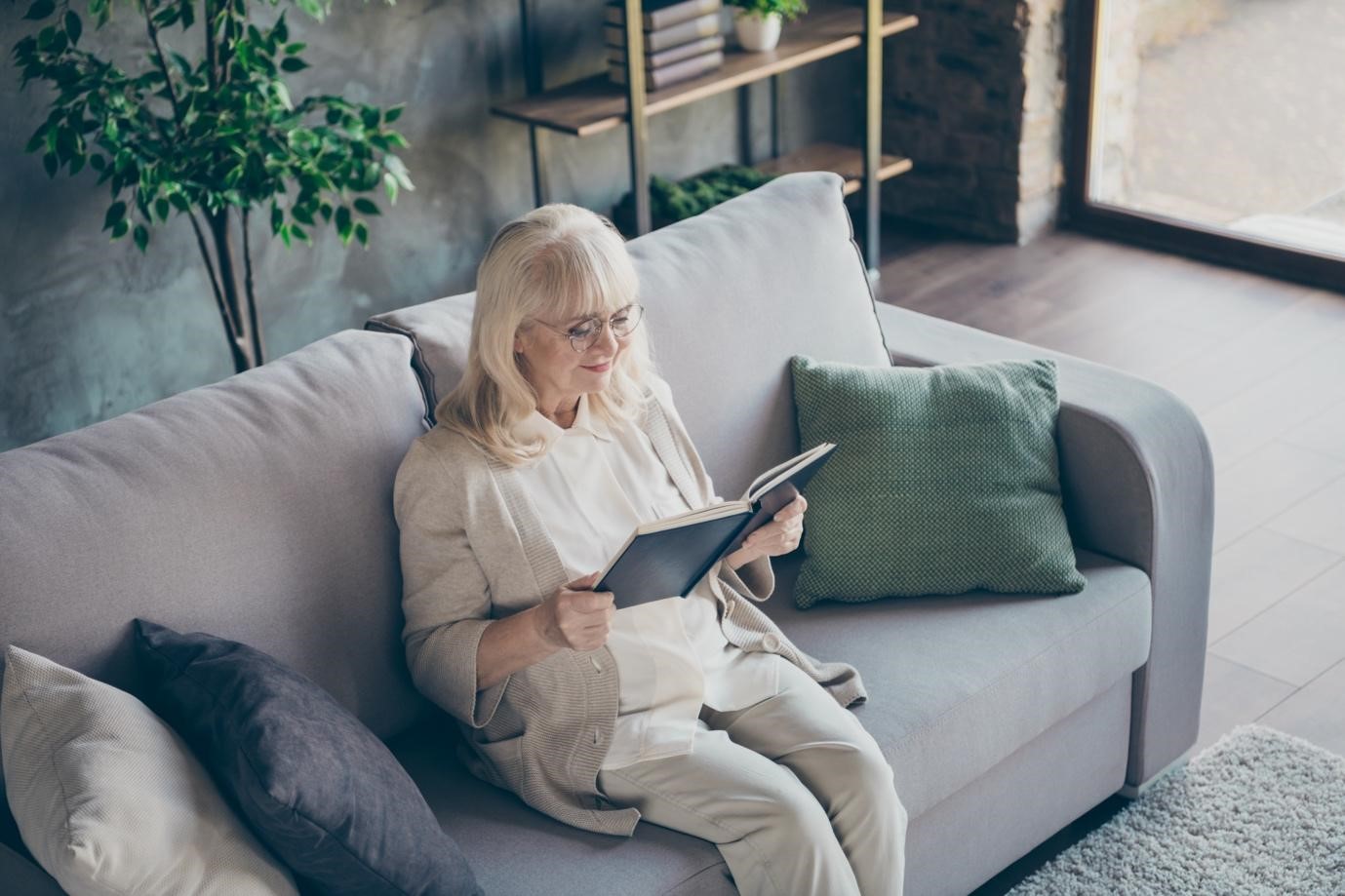
Creating a sense of home in a retirement community goes beyond decorating. It involves bringing meaningful items, establishing comfort, and shaping a space that reflects identity, routine, and personal well-being.
Key things to know:
Moving into a retirement community is a meaningful life transition, one that brings both practical changes and emotional adjustments. While the decision is often guided by safety, comfort, and access to support, there is another important piece that shapes how this new chapter feels day to day. That is the sense of home you create within your own space.
Personalizing your suite is not simply about decoration. It is about surrounding yourself with familiarity and identity so that your new environment reflects who you are and supports your well-being from the very beginning. With thoughtful choices and a bit of time, your new space can feel just as welcoming and personal as the one you left behind.
For many older adults, the idea of downsizing can feel overwhelming at first. A lifetime of belongings holds memories, stories and a sense of continuity. However, this process also offers an opportunity to be intentional about the things that matter most to you.
Rather than focusing on what is being left behind, it can help to think of downsizing as cultivating your next chapter. Choosing meaningful items allows you to shape a space that feels more manageable, lighter, and deeply personal at the same time. Familiar furniture, cherished photographs or a favourite reading chair can instantly bring comfort and a sense of recognition to a new setting.
A common thought during this stage is what to bring. While every situation is different, the most helpful approach is to prioritize items that support both function and emotional connection.
Practical pieces such as comfortable seating, bedside essentials, and adequate lighting contribute to ease of living. At the same time, personal touches like artwork, books, framed photos, or small keepsakes help create a space that feels uniquely yours. Even a few carefully chosen items can have a powerful impact. A familiar blanket draped over a chair or a collection of favourite mugs in the kitchen can quietly reinforce a sense of belonging.
As you begin setting up your new space, it can be helpful to start with one area at a time. Many people find that focusing on the bedroom first creates an immediate sense of comfort. This is a space associated with rest and privacy, so incorporating familiar bedding, pillows and personal décor can make the environment feel welcoming right away.
From there, you can gradually build out the rest of the suite, arranging furniture in a way that feels natural and functional for your daily routines. Taking it step by step helps make the process feel manageable rather than overwhelming.
Personalization also extends beyond objects. It includes how you organize your space to support your lifestyle. In a retirement community, suites are often designed with accessibility and convenience in mind, but small adjustments can make a big difference in how the space works for you.
Placing frequently used items within easy reach, ensuring clear pathways and creating cozy corners for reading or hobbies all contribute to a sense of ease and independence. The goal is to make your environment not only familiar, but also comfortable to move through and enjoy.
The first days after moving can feel like a mix of excitement and uncertainty. Even with careful planning, it takes time to adjust to a new environment. This is completely natural.
Giving yourself permission to settle in gradually can make the transition feel less overwhelming. You do not need to have everything perfectly arranged right away. Instead, focus on creating small moments of comfort. Sitting in your favourite chair with a cup of tea, displaying a few meaningful photos or listening to familiar music can help ground you in your new space.
It is also helpful to remember that truly feeling at home develops over time. Personalizing your suite is just one part of the transition. Building connections, establishing routines, and exploring the community all contribute to a deeper sense of belonging.
Having a space that reflects your personality can make it easier to recharge and feel at ease between social activities. It becomes a place where you can fully be yourself, surrounded by the things that bring you comfort and joy.
For some individuals, involving family members or loved ones in the process of setting up the space can be especially meaningful. They may help with arranging furniture, choosing decorative touches, or hanging artwork. This shared experience can make the transition feel more supported and collaborative.
Another aspect to consider is how your interests and hobbies can be reflected in your space. Whether you enjoy crafting, listening to music, or watching movies, creating a dedicated area for these activities can enhance your daily experience.
A comfortable chair near natural light, a neatly organized table for creative projects, or a small bookshelf can turn your suite into a space that supports the things you love to do. These details may seem simple, but they play an important role in maintaining a sense of purpose and enjoyment.
Lighting is often overlooked, yet it has a significant impact on how a space feels. Whenever possible, make the most of natural light by arranging furniture near windows. Adding soft, warm lighting through lamps can also create a cozy and inviting atmosphere, especially in the evening.
Scents and sounds can further enhance the feeling of familiarity. Gentle background music, a favourite candle, or even the quiet comfort of familiar routines can help create continuity between your previous home and your new environment.
It is important to approach this process with flexibility. What feels right on the first day may evolve over time. You may find yourself rearranging furniture or letting go of things as you settle in.
There is no single way to personalize your suite. What matters most is that it supports your needs, reflects your preferences, and helps you feel comfortable.

Ultimately, creating a sense of home in a retirement community is about more than physical surroundings. It is about how those surroundings support your well-being, independence and identity.
By approaching downsizing thoughtfully, choosing what to bring with intention, and allowing yourself time to adjust during the first days after moving, you can ease the transition and create a space that feels just like home.
If you are planning a move or supporting a loved one as they prepare to, taking the time to personalize the space can make a meaningful difference. A thoughtfully arranged suite can provide comfort, familiarity, and a strong foundation for this next chapter.
If you would like to learn more about life at Seasons Retirement Communities, booking a tour can be a helpful next step in exploring what feels right for you.
Start by bringing meaningful items such as familiar furniture, photos, and personal décor. Small touches like favorite blankets, books, or music can create comfort and a strong sense of familiarity.
Focus on items that are both functional and emotionally meaningful. Choose essentials that support daily comfort, along with keepsakes that reflect your personality and life experiences.
It varies for everyone, but feeling at home often takes time. Starting with small routines and gradually personalizing your space can help ease the transition during the first few days and weeks.
Take it step by step. Begin with key areas like the bedroom to create immediate comfort, then gradually arrange the rest of your suite in a way that supports your daily routines.
Keep frequently used items within easy reach, ensure clear pathways, and arrange furniture to support safe and easy movement throughout your suite.
Yes, absolutely. Creating a dedicated corner for reading, crafting, or other hobbies helps maintain a sense of purpose and enjoyment in your daily life.
