

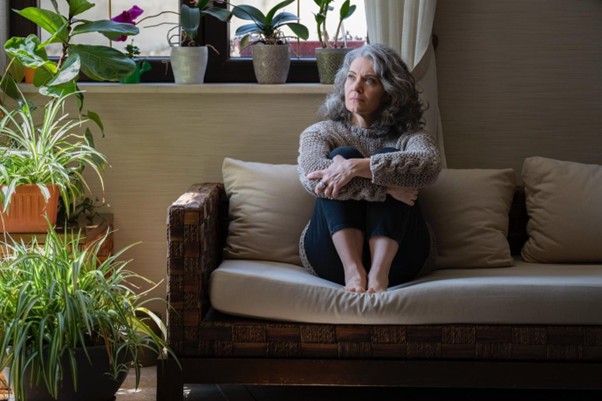
This article explores how living alone can influence mental health in older adults, highlighting the emotional, social and cognitive factors that shape well-being over time and the importance of connection and support.
What you’ll learn:
Living alone can offer independence, privacy and a sense of control – qualities many older adults value deeply. For some, it’s a long-standing lifestyle choice that continues to feel comfortable and familiar. For others, living alone may follow life changes such as retirement, the loss of a spouse or adult children moving away.
While there is no single experience of living alone, it’s important to understand how this arrangement can affect mental health as circumstances evolve.
Mental well-being in seniors is influenced by connection, purpose, routine, and support. When these elements shift or fade, living alone can quietly begin to take a toll, even when an older adult appears to be managing day-to-day tasks just fine.
Living alone does not automatically mean feeling lonely. Many older adults enjoy solitude and value quiet time. The distinction lies in whether solitude is chosen and fulfilling, or whether it becomes isolation.
Isolation occurs when social interaction decreases unintentionally and opportunities for connection become limited. This can happen gradually, especially when mobility declines, driving becomes difficult, or social circles shrink. Over time, isolation may reduce emotional stimulation and increase feelings of loneliness, even if someone remains busy or self-sufficient.
One of the subtle effects of living alone is the emotional weight of carrying daily life without shared support. Without regular conversation or companionship, small worries can feel bigger and stress may build quietly.
Older adults living alone may experience increased anxiety, low mood or a sense of emptiness, particularly in the evenings or during long stretches without visitors. These feelings are not always expressed openly. Many seniors minimize emotional struggles to avoid worrying their families or appearing vulnerable.
Mental health is closely tied to routine and structure. When living alone, routines can gradually loosen. Meals may become irregular, sleep schedules may shift, and daily activities may feel less purposeful without someone else’s presence.
This lack of structure can reduce motivation and energy levels. Tasks that once felt manageable may start to feel burdensome, and hobbies may be set aside. Over time, reduced engagement can affect confidence and emotional resilience.
Human connection plays a vital role in maintaining mental well-being at every age. Regular interaction helps stimulate the mind, reinforce identity and provide emotional reassurance.
When older adults live alone, social interaction often requires intentional effort – planning visits, initiating phone calls, or arranging transportation. As energy levels change, these efforts may decrease. Reduced interaction can lead to feelings of invisibility or disconnection, which may affect self-esteem and emotional health.
Life transitions can amplify the mental health effects of living alone. Events such as bereavement, illness or reduced mobility may leave older adults feeling especially vulnerable without immediate support.
Grief, in particular, can be harder to process in isolation. Without someone nearby to share daily moments, older adults may experience prolonged sadness or withdrawal. Similarly, recovering from illness alone can heighten anxiety and emotional strain.
Mental stimulation is essential for cognitive health. Conversation, shared activities and social engagement challenge the brain in ways that solitary routines often do not.
Living alone can limit these opportunities, especially if outings become less frequent. Over time, reduced mental stimulation may affect memory, concentration or overall cognitive sharpness. Staying mentally engaged requires more deliberate effort when living alone, which may become harder with age.
Many older adults living alone hesitate to share emotional struggles. They may worry about being a burden or fear that admitting difficulty will lead to unwanted changes in their independence.
This reluctance can delay support and allow emotional challenges to deepen. Family members may assume everything is fine because their loved one appears capable, unaware of the internal strain they may be carrying.
Mental health is closely linked to a sense of safety. Living alone can increase worry about emergencies, falls, or health issues, particularly at night. Even when no incidents occur, ongoing concern can contribute to anxiety and sleep disruption.
Knowing that help is readily available can significantly ease mental strain. When safety feels uncertain, stress can become a constant background presence that affects overall well-being.
Connection does not require constant activity, but it does require access. Having people nearby, shared spaces and opportunities for spontaneous interaction helps older adults feel grounded and supported.

Simple daily interactions like greeting a neighbour, joining a group activity, or sharing a meal can have a powerful impact on mental health. These moments reinforce belonging and provide emotional reassurance that living alone may lack.
For many older adults, living alone works well for years. The challenge arises when needs change but the living arrangement does not. When emotional well-being declines, daily routines feel harder, or isolation increases, it may be time to consider additional support.
Recognizing these shifts early allows families to explore options thoughtfully rather than react during a crisis. Support does not have to mean giving up independence – it can enhance it.
Retirement communities offer an environment designed to reduce isolation while respecting autonomy. Residents maintain their own private space while benefiting from shared amenities, social opportunities and support when needed.
Regular activities, communal dining and built-in routines help create structure and connection. Knowing that others are nearby – both fellow residents and trained team members – can provide emotional comfort and reduce anxiety.
At Seasons Retirement Communities, the focus is on supporting well-being in all its forms. Residents are encouraged to pursue interests, engage at their own pace, and build relationships naturally within a welcoming community.
Living alone affects mental health in different ways for different people. While independence and privacy are valuable, emotional well-being also depends on connection, stimulation and support.
By paying attention to subtle changes and maintaining open conversations, families can help ensure that older adults receive the emotional care they deserve. Whether through increased social engagement or exploring supportive living options, prioritizing mental health allows older adults to continue living with confidence, comfort and peace of mind.
No. The article explains that living alone does not automatically mean loneliness. Many older adults enjoy solitude and find it fulfilling. The key difference is whether time alone is chosen and comfortable, or whether it gradually turns into isolation because social interaction decreases and connection becomes harder to access.
Solitude can be a positive, intentional choice that offers quiet, privacy, and independence. Isolation happens when social contact decreases unintentionally and opportunities for connection become limited, often gradually as mobility declines, driving becomes difficult, or social circles shrink. Over time, isolation may increase feelings of loneliness even if someone appears busy or self-sufficient.
Living alone can create an emotional burden when daily life is handled without shared support. Without regular conversation or companionship, stress can build quietly and small worries may feel larger. The article notes that some older adults may experience increased anxiety, low mood, or a sense of emptiness, especially in the evenings or during long stretches without visitors, and they may not openly express these feelings.
The article highlights that mental health is strongly tied to routine and structure, and living alone can cause routines to loosen over time. Meals may become irregular, sleep schedules may shift, and daily activities may feel less purposeful without someone else’s presence. This can reduce motivation and energy, making tasks feel more burdensome and leading to less engagement in hobbies and everyday life.
Yes. The article explains that conversation, shared activities, and social engagement provide mental stimulation that solitary routines often do not. When an older adult lives alone, these opportunities may decrease, especially if outings become less frequent. Over time, reduced stimulation may affect memory, concentration, or overall cognitive sharpness, meaning staying mentally engaged may require more deliberate effort.
Retirement communities are described as environments designed to reduce isolation while still respecting autonomy. Residents keep their private space but gain shared amenities, social opportunities, and support when needed. Regular activities, communal dining, and built-in routines help provide structure and connection, while knowing others and trained team members are nearby can reduce anxiety and support peace of mind.

