


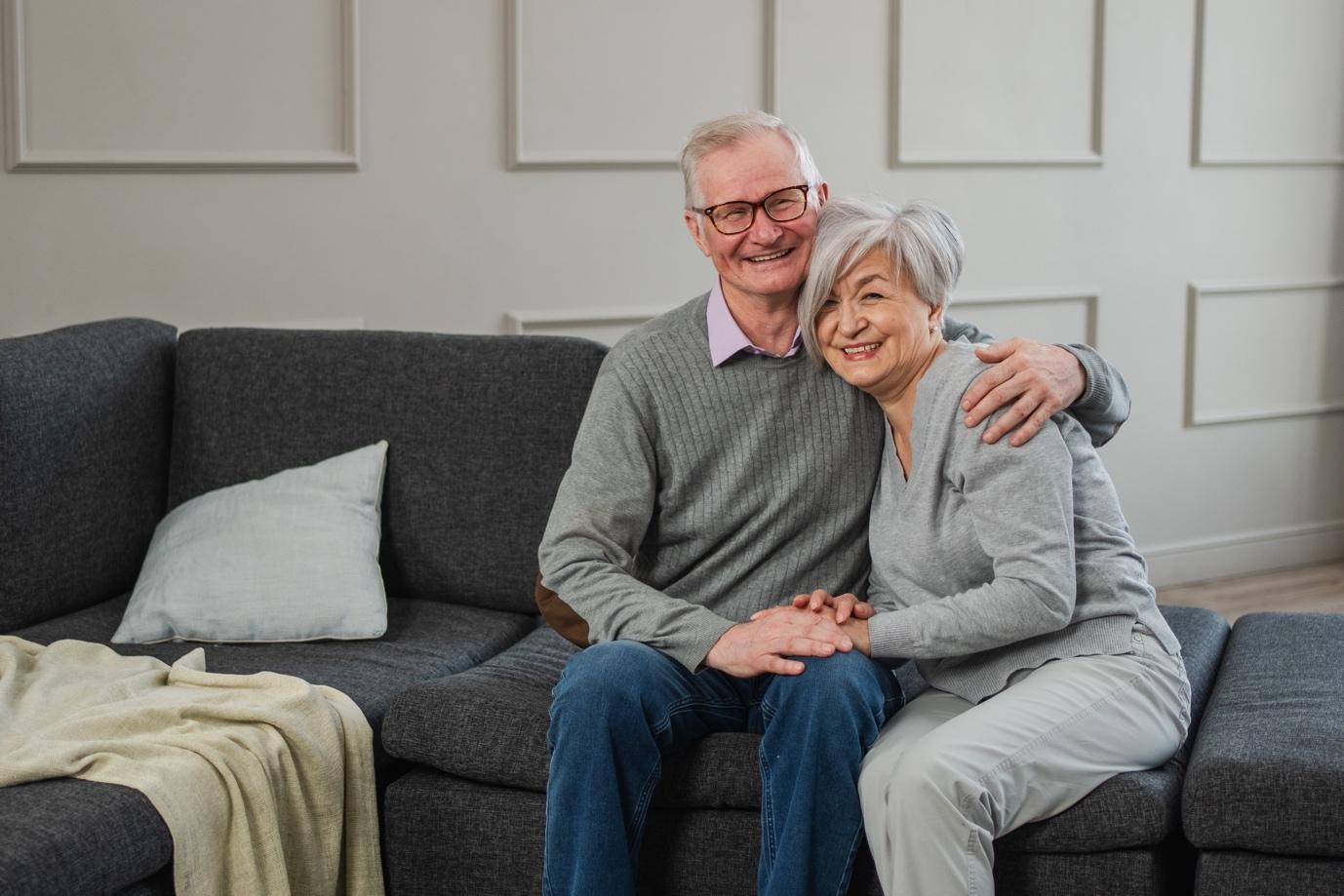
Understanding how retirement communities support couples with different care needs can help ease concerns and make the transition feel more reassuring. Rather than facing the prospect of separation or difficult compromises, many communities are designed with flexibility in mind. This allows each partner to receive the appropriate level of support while continuing to share their daily life, routines and relationship. With the ability to adapt care over time, couples can move forward with greater confidence, knowing their individual and shared needs will be respected.
Key things to know:
When couples begin exploring senior living options, one of the most common concerns is what happens if their needs are not the same. It is a very real and often emotional question. One partner may be fully independent, while the other begins to need more support. In some cases, these differences exist from the start. In others, they develop over time.
Understanding how retirement communities support couples in these situations can bring reassurance. Rather than forcing difficult choices or separation, many communities are designed to offer flexibility, allowing each person to receive the level of support they need while maintaining their relationship, routines and shared life together.
It is completely natural for care needs to differ between partners. Aging does not follow the same path for everyone, and changes in health, mobility or daily routines can happen at different times.
One partner may continue to enjoy an independent lifestyle, while the other may benefit from additional support such as assistance with daily tasks, wellness services or personal care. This does not mean that couples must live separate lives. In many retirement communities, it is possible to remain together while adapting the level of care provided to each individual.
This flexibility allows couples to stay connected while ensuring that both partners feel supported in ways that are appropriate for their needs.
Retirement communities are designed to accommodate a range of lifestyles and care levels. For couples, this often means that services can be personalized rather than applied uniformly.
In practical terms, one partner may choose to live independently, participating in activities and enjoying the community at their own pace, while the other receives additional support. These services can be adjusted over time, ensuring that care evolves alongside changing needs.
This approach reflects a broader philosophy of aging in place, where support is added gradually rather than requiring a sudden move or major disruption.
One of the biggest concerns couples have is whether they will need to live apart if one partner requires more care. In many cases, the answer is no.
Retirement communities often make it possible for couples to continue living in the same suite, even if their care needs differ. Support services can be brought into the home, allowing one partner to receive assistance while the other maintains their independence.
This arrangement helps preserve daily routines and shared experiences, from having meals together to enjoying quiet moments in a familiar space. Maintaining this sense of togetherness can have a meaningful impact on emotional well-being for both partners.
As care needs increase, there may be times when more structured support is required. In these situations, retirement community teams work closely with residents and their families to explore the best options.
This may involve increasing in-suite support or accessing additional services within the community. The goal is always to provide the right level of care while minimizing disruption and maintaining dignity and comfort.
Having these conversations early, before a crisis occurs, can make a significant difference. Discussing retirement living before a major health event allows couples to consider their options thoughtfully rather than making decisions under pressure.
In many couples, one partner naturally takes on a caregiving role as needs change. While this often comes from a place of love and commitment, it can also become physically and emotionally demanding over time.
Caregiver burnout is a real and important consideration. It can affect not only the person providing care, but also the overall dynamic of the relationship. Feelings of exhaustion, stress or isolation can build gradually, sometimes without being fully recognized at first.
Retirement communities can help ease this pressure by providing professional support, allowing partners to step back from full time caregiving and return to simply being a spouse.
One of the often overlooked benefits of senior living for couples is the opportunity to refocus on quality time together. When daily responsibilities such as cooking, cleaning or home maintenance are taken care of, couples can spend more time enjoying each other’s company.
Even when one partner requires additional care, this support can actually create space for more meaningful moments. Instead of being defined by caregiving tasks, the relationship can return to shared experiences, conversations and activities.
Adjusting to different care needs within a relationship can be emotional. It may bring up concerns about independence, identity or the future. Open communication is essential during this time.
Taking the time to understand each other’s perspectives, fears and preferences can help both partners feel heard and supported. It is important to start with small, honest conversations and build from there, rather than waiting until circumstances force a decision.
Visiting communities together, asking questions and experiencing the environment firsthand can also help reduce uncertainty and create a shared understanding of what this next chapter could look like.
While it is not always easy to think about future care needs, planning ahead can provide a strong sense of reassurance. Exploring retirement living options early allows couples to make decisions together, based on their values and preferences.
It also gives both partners time to adjust to the idea, ask questions and feel confident in their choices. Starting these conversations before clear signs or urgent needs arise can make the transition smoother and more positive for everyone involved.
This proactive approach helps ensure that both individuals feel respected and included in the decision-making process.
Every couple is unique, and finding the right retirement community means finding a place that can support both partners, even as their needs evolve differently.
Looking for a community that offers flexible services, personalized care and a strong sense of connection can make all the difference. It is not only about what is available today, but also about how the community can adapt over time.
Taking the time to visit, ask questions and explore options together can help you feel confident that your choice supports both your present and your future.
Facing different care needs as a couple can feel uncertain at first, but it does not mean losing your life together. With the right support, it is possible to remain connected, maintain your routines and continue sharing meaningful moments.

Retirement communities are designed to provide that balance. By offering flexible care, reducing the burden of daily responsibilities and supporting both partners individually, they create an environment where couples can continue to thrive together.
If you are exploring senior living options, contact us to learn about what is available for couples here at Season.
