

Returning home after a hospital stay can be a vulnerable time. Even when the main health concern has been treated, many older adults still need time, rest and support before they feel fully steady again. Simple tasks such as preparing meals, keeping up with medications, bathing safely or moving around the home can feel more difficult than expected.
For some people, going directly back to living alone may not feel like the safest or most comfortable option. This is where a retirement community can provide valuable support. With access to amenities and assistance with daily routines, retirement communities can help older adults recover with more confidence after a hospitalization.
Key things to know:
The period after a hospital stay can affect both physical and emotional well-being. An older adult may feel tired, weaker than usual or unsure about how much activity is safe. They may also be adjusting to new medications, follow-up appointments or instructions from their healthcare team.
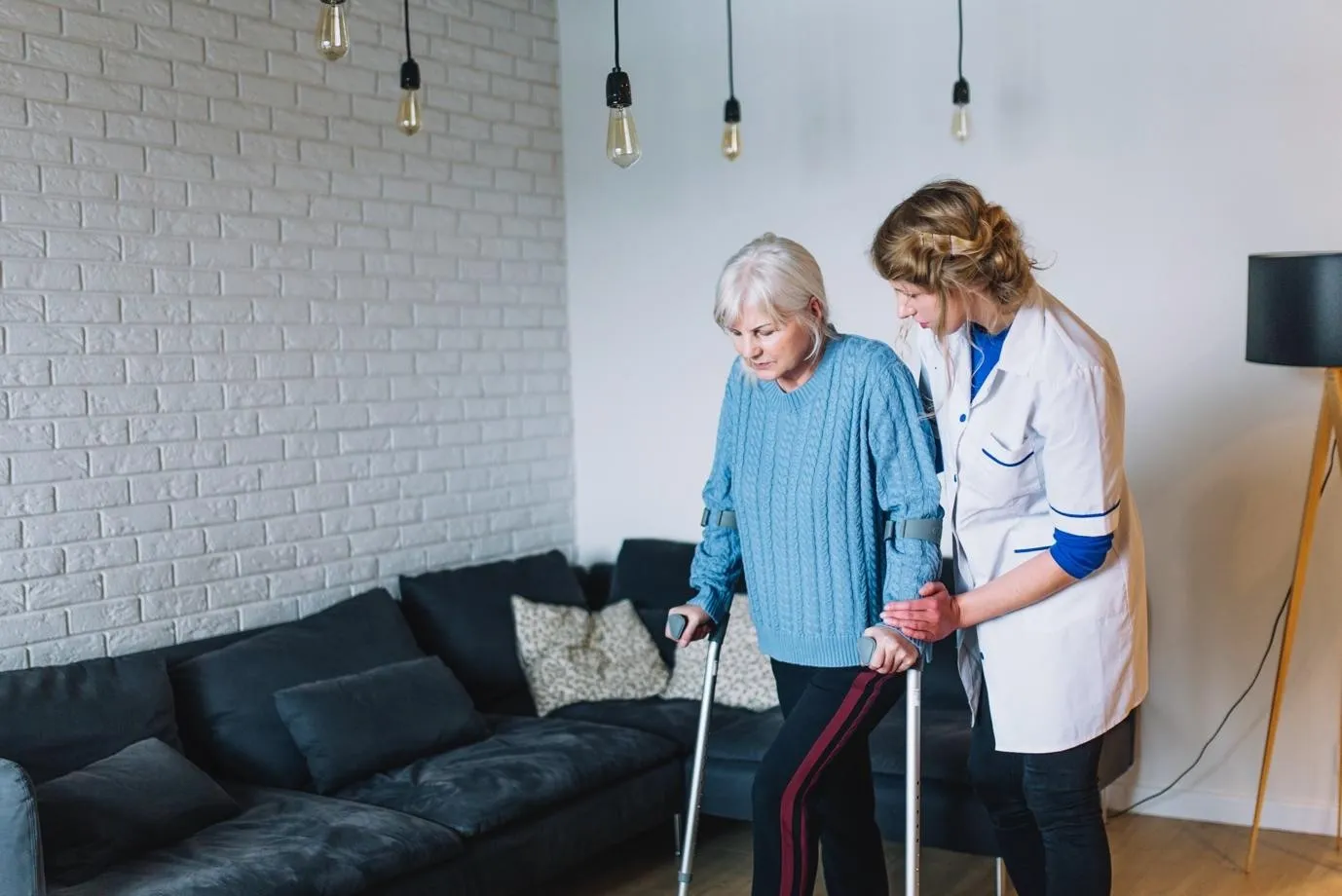
In a retirement community, this transition can feel less overwhelming. Support with daily routines may include help with bathing, dressing, mobility or reminders, depending on the services available and the person’s needs. Meals, housekeeping and team members nearby can also make recovery feel safer and more manageable, while allowing residents or temporary guests to focus on rest, comfort and rebuilding strength.
Good nutrition plays an important role in regaining strength after illness, surgery or a hospital stay. However, cooking can be one of the first tasks to feel difficult during recovery. Grocery shopping, meal planning, standing at the stove and cleaning up afterward can all require more energy than an older adult has available.
In a retirement community, meals are prepared and served regularly, which can make eating well much easier. Residents can enjoy balanced meals without the effort of cooking, and they also have the benefit of dining in a welcoming environment. For some, mealtimes may become an important part of the day, providing routine, social connection and encouragement to eat.
This support can be especially helpful for older adults who have lost appetite, feel isolated or find it difficult to maintain healthy eating habits on their own after returning from the hospital.
Safety is one of the biggest concerns after a hospital stay. Weakness, dizziness, medication changes, pain or reduced mobility can increase the risk of falls or accidents at home. A house that once felt easy to manage may suddenly present challenges, from stairs and laundry rooms to icy walkways or poorly lit hallways.
Retirement communities are designed with older adults in mind. Features such as accessible layouts, clear pathways, elevators, handrails, emergency response systems and well-maintained common areas can help residents move through their day with greater confidence.
The environment itself can make recovery feel less stressful. Instead of worrying about household maintenance, snow removal, cleaning or minor repairs, older adults can focus on healing and gradually returning to their usual routines.
Many older adults leave the hospital with new prescriptions, changed doses or instructions that may feel confusing at first. Keeping track of medication schedules and follow-up appointments is an important part of recovery, but it can also be a source of worry.
Depending on the community and care level, retirement communities may be able to provide reminders or support with medication routines. Team members can also help residents stay organized around appointments, transportation needs or communication with family members.
This type of support can be particularly valuable during the first few weeks after discharge, when recovery plans may still feel new. It helps create a more stable routine and can reduce the chance of missed steps in the recovery process.
Recovery requires rest, but too much isolation can also affect well-being. After a hospital stay, some older adults may feel anxious, discouraged or disconnected from their usual life. A retirement community can offer a helpful balance between privacy and companionship.
Residents have their own suite where they can rest and recover at their own pace. At the same time, common areas, activities and friendly staff are nearby when they feel ready for a bit of social engagement. Even gentle interactions, such as chatting over a meal or watching an activity from a comfortable chair, can help lift mood and provide reassurance during a period that may otherwise feel uncertain.
Respite stays can also support older adults and families after a hospital stay. A respite stay is a short-term stay in a retirement community, often used when extra support is needed for a limited time. It may be helpful after discharge, during a caregiver’s absence, or when a family wants to make sure their loved one has support while recovering.
For caregivers, respite stays can provide relief and reassurance. Supporting someone after a hospital stay can be physically and emotionally demanding, especially when family members are balancing work, distance or other responsibilities. A short-term stay can give everyone time to rest, plan next steps and make thoughtful decisions about ongoing care needs.
For the older adult, respite can offer a safe, welcoming place to recover while experiencing what community life feels like.
Every recovery journey is different. Some older adults may only need a short period of added support, while others may discover that their needs have changed more permanently. A hospital stay can sometimes highlight challenges that were already beginning at home, such as difficulty with meals, mobility, medication management or personal care.
Retirement communities can help families better understand what level of support may be appropriate. During a stay or tour, it is helpful to ask what services are available, how care needs are assessed, whether short-term stays are offered and how support can change if needs evolve.
Open communication between the older adult, family, healthcare providers and the retirement community can make the transition smoother and more comfortable.
A hospital stay can be a turning point, but it can also be an opportunity to put better support in place. Retirement communities can help older adults recover in an environment where meals, housekeeping, safety, social connection and daily assistance are easier to access.
Whether through a permanent move, convalescent care or a short-term respite stay, the right support can make the return from hospital feel less overwhelming.
At Seasons, we understand how important comfort, dignity and reassurance are during recovery. To learn more about available support options, reach out to us or book a personal tour.
