


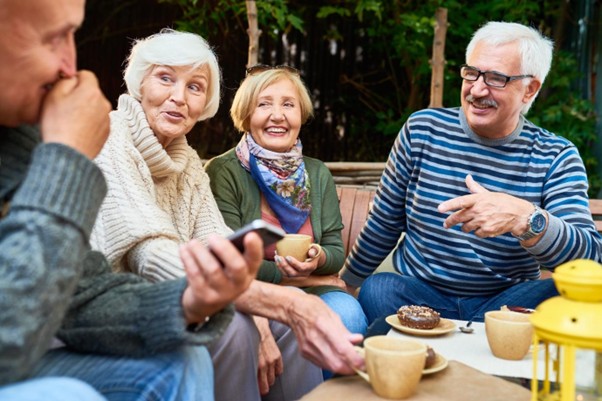
Moving into a retirement community can be a major life transition, but thoughtfully designed environments, supportive team members, and daily opportunities for interaction help older adults stay socially connected and avoid feelings of isolation.
Key things to know:
Moving as an older adult can be a major transition. Even when the decision to move into a retirement community is a positive one, it can still bring mixed emotions. Leaving a long-time home, familiar neighbours or a well-known routine may lead to feelings of uncertainty or loneliness, especially in the early days. For some seniors, one of the biggest concerns after a move is the fear of becoming isolated.
Retirement communities are intentionally designed to address this challenge. Through thoughtful environments, supportive team members, and built-in social opportunities they help residents feel connected, engaged and part of a community from the very beginning.
Isolation doesn’t always look like being alone. It can take the form of fewer conversations, limited daily interaction or a sense of disconnection from purpose and routine. After a move, even socially active seniors may feel unsettled as they adjust to new surroundings.
The loss of familiar cues, such as knowing where to go or who to call, can temporarily disrupt confidence. Without intentional opportunities for interaction, this adjustment period can feel lonely, particularly for those who previously lived independently or had strong ties to their neighbourhood.
One of the most effective ways retirement communities prevent isolation is through design. Shared spaces such as lounges, libraries, gardens, dining rooms, and activity rooms naturally encourage residents to spend time outside their private suites.
These spaces make social interaction feel casual and effortless. A shared meal, a conversation in the hallway or sitting together in a common area can quickly turn into meaningful connections. Unlike traditional housing, retirement communities are built to make these everyday moments possible.
First impressions matter, especially after a move. Many retirement communities focus on creating a warm and welcoming atmosphere that helps new residents feel at ease right away.
Team members often take time to learn residents’ names, introduce them to others, and help them navigate the community. This personal attention can make a significant difference during the adjustment period, helping residents feel recognised and valued rather than anonymous or alone.
Unlike living alone, retirement community life includes natural opportunities for daily interaction. Whether through shared dining, group activities or casual encounters, residents are surrounded by people going through similar life stages.
These interactions don’t require planning or effort in the same way socialising does when living independently. The ease of connection helps reduce the emotional barriers that often contribute to isolation, particularly for those who may feel hesitant to reach out.
Activities play a central role in preventing isolation. Retirement communities typically offer a wide range of options, from fitness classes and creative workshops to discussion groups and games.
What makes these activities effective is not just their variety, but their consistency. Regularly scheduled events create routine, anticipation and shared experiences. Over time, residents often form friendships simply by showing up and participating alongside others.
Having something to look forward to each day can restore a sense of purpose and belonging, which is essential for emotional well-being.
Isolation can sometimes develop quietly. One of the advantages of community living is that trained professionals are present and attentive. They often notice when a resident withdraws, skips meals, or stops attending activities.
This awareness allows for gentle check-ins and support before isolation deepens. A friendly conversation, encouragement to join an activity, or simply knowing someone cares can help residents re-engage at their own pace.

Mealtimes are often one of the most powerful tools for connection. In a retirement community, dining is typically a shared experience rather than a solitary task.
Eating together encourages conversation, routine and social bonds. For residents who previously ate alone, this change can significantly reduce feelings of loneliness. Over time, shared meals often become a cornerstone of daily social life.
Preventing isolation doesn’t mean forcing social interaction. Retirement communities understand that everyone adjusts differently. Some residents are eager to participate right away, while others need time.
Communities that respect individual comfort levels help residents feel in control. Gentle invitations, flexible activities and supportive encouragement allow residents to engage in ways that feel natural rather than overwhelming.
One of the most common misconceptions is that community living means loss of independence. In reality, retirement communities often enhance it by removing barriers to connection.
With transportation support, on-site amenities and accessible activities, residents can stay socially active without the challenges that often come with living alone. This balance of independence and connection helps residents maintain confidence and autonomy.
Beyond amenities and activities, culture matters. Communities that prioritise kindness, inclusion and respect create an environment where residents feel comfortable being themselves.
A strong community culture encourages residents to look out for one another, form friendships organically, and build a sense of shared identity. This collective atmosphere plays a crucial role in preventing isolation over the long term.
At Seasons Retirement Communities, preventing isolation is part of everyday life. Communities are designed to promote interaction while respecting privacy. Residents are encouraged to participate in activities, connect over meals, and explore new interests, all within a supportive environment.
With attentive team members, thoughtfully planned programs and welcoming spaces, Seasons helps residents build meaningful connections and feel at home, even during the early days after a move.
Isolation doesn’t have to be an inevitable part of aging or moving. With the right environment, support and opportunities, older adults can remain socially connected and emotionally fulfilled.
Retirement communities offer more than a place to live. They provide companionship, structure, and a sense of belonging that helps residents thrive after a move. By supporting connection in everyday ways, they help turn a new chapter into a positive and enriching experience.
A move can still feel emotionally difficult, even when it brings benefits. Leaving a familiar home, routine, or neighborhood can create uncertainty and temporarily weaken the sense of comfort and connection.
They create regular, low-pressure opportunities for connection through shared spaces, meals, activities, and everyday interaction. This makes it easier for residents to feel included without having to plan social contact on their own.
Lounges, dining rooms, gardens, libraries, and activity areas all make it easier for residents to spend time outside their suites and interact casually. These shared environments help everyday moments turn into real relationships.
Shared dining gives residents a daily reason to connect with others in a relaxed setting. For people who were used to eating alone, regular mealtime conversation can become an important part of feeling less lonely.
Regular activities create routine, shared experiences, and something to look forward to each day. Over time, simply joining in can help residents build friendships and feel more connected to the community around them.
Good communities do not force interaction. They offer gentle encouragement, flexible activities, and support that allows each resident to engage at a pace that feels comfortable and natural.
