

Retirement communities support older adults with ongoing health conditions by combining accessible living environments, wellness programs, and integrated care services that promote independence and overall well-being.
Key things to know:
Living with an ongoing health condition can bring unique challenges, but it does not mean giving up independence, comfort or an active lifestyle. Many older adults manage conditions such as arthritis, diabetes, heart disease or mobility limitations while continuing to enjoy fulfilling daily routines.
Retirement communities are designed to support this balance by offering services, environments and programs that help residents manage their health while maintaining quality of life.
Rather than focusing solely on medical care, retirement communities often take a holistic approach to well-being. This means creating an environment where emotional wellness, physical health, and social connection all work together to support residents who may be living with ongoing health concerns.
One of the most valuable aspects of retirement living is the supportive environment it provides. When residents live in a community designed with accessibility and comfort in mind, many everyday challenges become easier to manage.
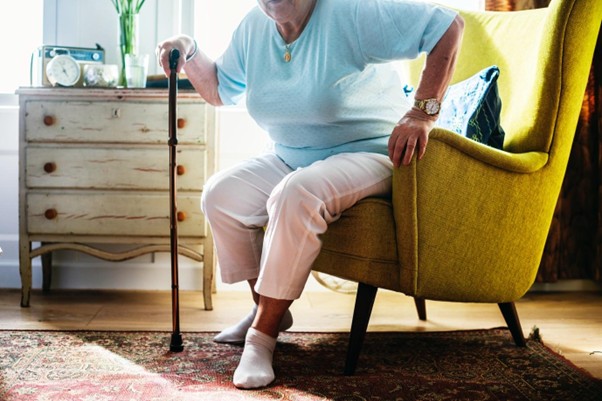
Features such as accessible layouts, elevators, handrails, and well designed common areas can help residents move around safely and confidently. For individuals managing mobility limitations or chronic pain, these thoughtful design elements can make daily life more comfortable.
In addition, team members are often present throughout the day to assist with questions or concerns. Knowing that support is nearby can provide reassurance for residents who want to maintain independence while also having help available if needed.
Maintaining consistent routines plays an important role in managing many health conditions. Retirement communities help support these routines by offering structured daily schedules and convenient access to services that support healthy habits.
Nutritious dining options, regular activities, and wellness programs can help residents stay engaged in their physical and mental health. Many communities provide balanced meal options designed to support a variety of dietary needs, which can be particularly helpful for residents managing conditions such as diabetes or heart disease.
Access to regular meals and healthy food choices removes some of the stress of meal planning and preparation, allowing residents to focus more on maintaining their overall well-being.
Physical activity is an important component of managing many ongoing health conditions. Retirement communities often provide wellness programs designed specifically for older adults, making it easier for residents to stay active in a safe and supportive environment.
Exercise classes, guided fitness programs, and stretching sessions are commonly offered to help residents maintain strength, flexibility and balance. These activities are typically adapted to suit different ability levels so that residents can participate comfortably.
Regular physical activity can support cardiovascular health, mobility and overall energy levels. Just as importantly, participating in group wellness activities also encourages social engagement, which contributes positively to emotional well-being.
While many residents live independently, retirement communities often provide access to supportive care services for those who need additional assistance. These services may include help with personal care, medication reminders or coordination with health professionals.
Having access to this type of support can make managing ongoing health conditions less stressful. Instead of relying solely on family members or navigating services independently, residents benefit from a coordinated environment where support is integrated into daily life.
For many older adults, this balance between independence and assistance allows them to feel more confident about continuing to live actively while managing their health.
Living with a health condition can sometimes lead to feelings of isolation, especially if it becomes more difficult to leave home regularly. Retirement communities assist in supporting this challenge by creating environments where social interaction is part of everyday life.

Residents can participate in shared meals, group activities, and community events that encourage conversation and connection. These interactions help create a sense of belonging and support that can be particularly valuable for individuals managing health challenges.
Research consistently shows that social connection plays an important role in overall health and well-being. Feeling part of a community can improve physical and emotional health, reduce stress and help residents maintain a positive outlook.
Managing an ongoing health condition can affect more than just physical health. It can also influence emotional and mental well-being. Retirement communities recognize the importance of addressing these aspects of health as well.
Programs that encourage creativity, learning, and relaxation help residents stay mentally engaged and emotionally balanced. Activities such as art workshops, music programs, educational talks and cultural events create opportunities for stimulation and enjoyment.
These experiences help residents maintain a sense of purpose and curiosity, which contributes positively to overall well-being. For many older adults, having access to these activities within the community makes it easier to stay engaged and optimistic.
Retirement living can also provide peace of mind for family members. When a loved one is managing a chronic health condition, families often worry about whether they have the support they need on a daily basis.
In a retirement community, trained professionals, services, and supportive environments work together to help residents manage their health more comfortably. Families can feel reassured knowing that their loved one has access to assistance, social opportunities and wellness programs designed to support healthy living.
This reassurance often strengthens relationships as well, because visits with family can focus more on spending quality time together rather than managing practical concerns.
Many older adults continue to lead active and fulfilling lives while managing ongoing health concerns. With the right environment and support, it is possible to maintain independence, social connection and a strong sense of well-being.
Retirement communities provide a setting where residents can access services, activities and supportive programs that make managing health conditions easier. By combining accessible design, opportunities for connection, and wellness initiatives, these communities allow residents to focus on living fully rather than being defined by their health challenges.
At Seasons Retirement Communities, supporting residents’ well-being is a central part of community life. Through engaging programs, supportive services and welcoming spaces, residents can continue to enjoy meaningful experiences while managing their health with confidence.
For individuals or families exploring retirement living, visiting a community can provide valuable insight into how daily life is designed to support both independence and well-being. Often, seeing the environment firsthand helps bring these possibilities to life.
This article shares general information only. For guidance that reflects your personal health needs and requirements, please speak with your own physician or healthcare provider.
Retirement communities are designed to balance independence with support. Residents can follow their own routines while having access to assistance, structured programs, and a safe environment that makes daily life easier to manage.
Support can include help with personal care, medication reminders, and coordination with health professionals. This kind of assistance is integrated into everyday life, making it less stressful to manage ongoing conditions.
They offer consistent daily schedules, nutritious meals, and wellness programs. Having access to balanced food and regular activities helps residents maintain habits that support long-term health.
Yes, activities such as exercise classes and stretching sessions are typically designed to suit different mobility levels. This allows residents to stay active safely while supporting strength, balance, and overall health.
They create opportunities for daily social interaction through shared meals, group activities, and events. This helps residents stay connected, which plays an important role in emotional and physical well-being.
Features like accessible layouts, elevators, and handrails make movement safer and more comfortable. A thoughtfully designed environment reduces everyday challenges and supports confidence in daily activities.
