

One of the biggest misconceptions about retirement communities is that things may slow down after moving in. In reality, many older adults find that their days become fuller, more engaging and more enjoyable than before. With fewer household responsibilities and more opportunities built into daily life, residents often rediscover interests, try new activities, and connect with others in meaningful ways.
Today’s retirement communities offer a wide variety of activities designed to support physical health, mental stimulation, social connection and personal enjoyment. While preferences vary from person to person, certain activities consistently stand out as favourites among residents. Understanding what’s most popular can help families picture what life in a retirement community truly looks like.
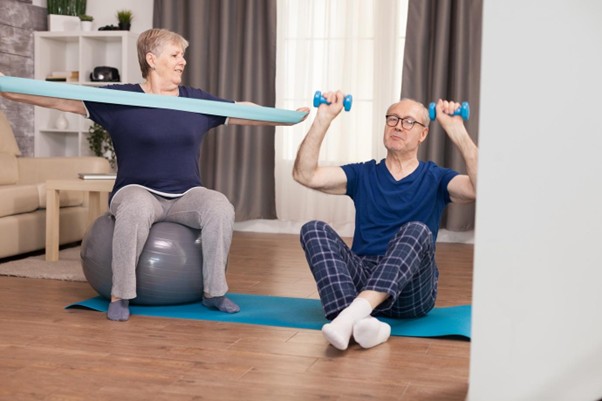
Staying active is a priority for many older adults, and group fitness programs remain some of the most popular offerings in retirement communities. These activities are typically designed with varying ability levels in mind, making them accessible and welcoming.
Residents often enjoy programs such as stretching classes, chair-based exercises, balance and mobility sessions, yoga, tai chi or light strength training. Group settings provide motivation and encouragement, helping participants stay consistent while also enjoying the social aspect of moving together. For many seniors, these classes become a regular part of their routine and a key contributor to overall well-being.
Spending time outdoors continues to be a favourite for residents, especially when it’s built into a social routine. Walking groups are particularly popular, offering gentle physical activity combined with conversation and fresh air. These walks may take place around the community, in nearby parks or along designated walking paths.
Other outdoor activities, such as gardening, patio social hours or seasonal outings, also appeal to seniors who enjoy nature and a change of scenery. Being outdoors supports physical health and mood while helping residents feel connected to their surroundings.
Creative activities are among the most adored programs in retirement communities. Painting, drawing, knitting, crafting and seasonal art projects allow residents to express themselves while enjoying a relaxing and social environment.
These activities are not about skill level or artistic experience. Instead, they provide an opportunity to focus, create and enjoy the process. Many residents find creative programs especially rewarding because they offer a sense of accomplishment and joy, often leading to shared displays or gifts for family members.
Music and entertainment play a big role in community life. Live performances, sing-alongs, themed music afternoons and movie screenings are often well attended. Music has a unique ability to spark memories, lift spirits and bring people together.
In addition to music, residents may enjoy cultural presentations, guest speakers or themed events that celebrate different traditions, holidays or interests. These experiences add variety to the daily calendar and help keep life in the community engaging and dynamic.
Many seniors enjoy activities that combine fun with mental stimulation. Card games, board games, trivia nights, bingo and puzzles remain popular because they are familiar, social and engaging.
Friendly competition can add excitement while encouraging residents to interact and laugh together. These activities are often low-pressure and adaptable, making them accessible to a wide range of abilities and preferences. Over time, regular game sessions often become social highlights and opportunities for residents to form friendships.
Not all favourite activities are structured. Informal social opportunities are just as important to residents. Coffee chats, happy hours, and shared meals give seniors the chance to connect naturally and build relationships at their own pace.
These casual moments often become the foundation of community life. Residents appreciate having shared spaces where they can drop in, chat with neighbours, or simply enjoy being around others without needing a planned activity.
Many older adults enjoy continuing to learn, and retirement communities increasingly support lifelong education. Popular activities include discussion groups, book clubs, technology workshops and presentations on health, history or current events.
Learning activities keep the mind active and encourage curiosity. For residents who enjoy intellectual engagement, these programs offer stimulation and a sense of purpose, often sparking meaningful conversations long after the session ends.
For many seniors, giving back remains an important part of life. Retirement communities often provide opportunities to volunteer within the community or support local causes through group initiatives.
Residents may help organize events, welcome new neighbours, participate in charity drives or contribute to community projects. These activities allow seniors to feel valued and connected to something larger than themselves, which can be deeply fulfilling.
Spiritual wellness and personal reflection are meaningful for many older adults. Retirement communities often offer opportunities for quiet reflection, discussion groups or spiritual gatherings that respect diverse beliefs and traditions.
These activities provide comfort, routine and a sense of peace for residents who value this aspect of life. They also offer another way for residents to connect with others who share similar values.
The popularity of these activities goes beyond entertainment. Staying active, engaged and socially connected supports physical health, mental well-being and emotional resilience. Activities help structure the day, reduce isolation, and encourage residents to remain involved in life.
Importantly, residents are free to choose how they participate. Some enjoy busy schedules, while others prefer quieter routines with occasional social interaction. Retirement communities are designed to support both approaches, allowing seniors to shape their days according to their preferences.
At Seasons Retirement Communities, activities are thoughtfully designed to reflect residents’ abilities, interests, and lifestyles. Programs focus on choice, flexibility and enjoyment, encouraging residents to stay engaged in ways that feel natural and fulfilling.
Whether it’s participating in a fitness class, enjoying creative time, joining a walking group or simply sharing a meal with friends, Seasons communities offer a range of opportunities that support active, connected living. As interests and needs change, programming evolves to ensure residents continue to feel supported and inspired.

Activities play a central role in shaping daily life in a retirement community. From fitness and creativity to learning and social connection, today’s most popular programs reflect what seniors truly value: staying active, feeling connected and enjoying each day.
Exploring activity calendars, attending events, or joining in during a visit can help families better understand what retirement living has to offer. For many older adults, these activities become more than pastimes – they become a source of purpose, joy, and belonging.
Seniors most often enjoy group fitness programs, walking groups, arts and crafts, music events, games, social gatherings, and lifelong learning opportunities. These activities support physical health, mental engagement, and meaningful social connection.
Yes. Activities are designed to be inclusive and adaptable, allowing residents with different mobility levels and interests to participate comfortably. Programs are often modified so residents can engage at their own pace.
No. Participation in activities is always optional. Residents are free to choose how involved they want to be, whether they prefer a full schedule or quieter, informal social interactions.
Activities encourage movement, mental stimulation, and social engagement. Regular participation can help improve balance, mood, cognitive function, and emotional wellbeing while reducing feelings of isolation.
Yes. Informal social opportunities such as shared meals, coffee chats, and casual gatherings are a key part of daily life, allowing residents to connect naturally and build friendships.
Many communities offer book clubs, discussion groups, technology workshops, and educational presentations. These programs support lifelong learning and help residents stay mentally active and curious.
Activity programs are regularly adjusted to reflect residents’ evolving interests and abilities. This ensures that residents continue to feel supported, engaged, and comfortable participating in daily life.
